September 2, 2026
An aging vehicle can become more difficult to maintain as its mechanical problems accumulate and its usefulness declines. A car that once provided dependable transportation may eventually spend more time parked than driven, taking up valuable space while continuing to deteriorate. When repairs no longer make practical sense, selling the vehicle to a professional automotive recycling company can provide a straightforward alternative. Cars for cash programs give owners an opportunity to turn unwanted vehicles into money while also directing usable materials toward recycling.
Evaluating Your Vehicle’s Condition
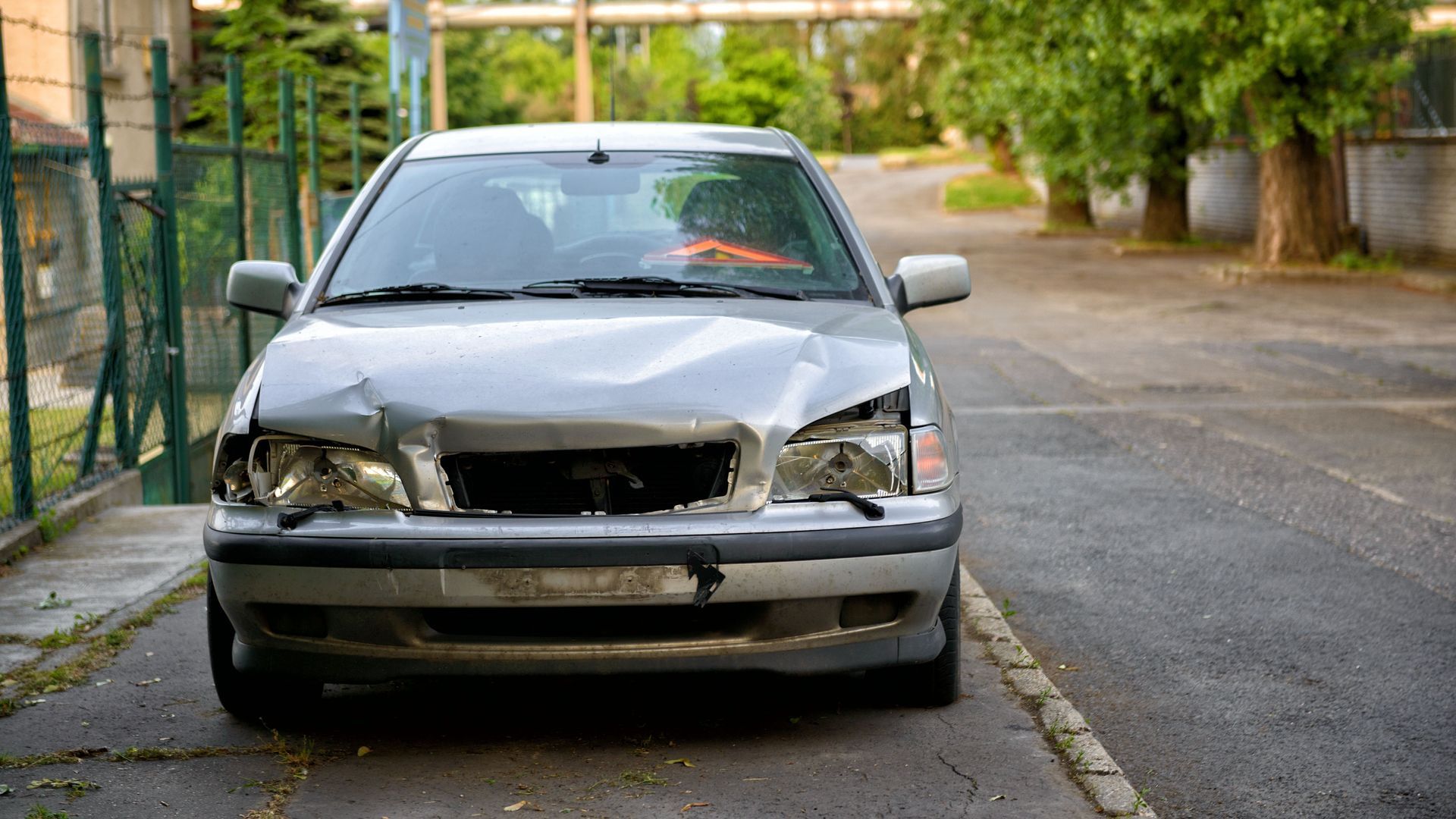
Before deciding what to do with an unwanted vehicle, it helps to consider its overall condition and current usefulness. Older cars may have damaged body panels, worn interiors, mechanical failures, missing components, or other issues that reduce their value as transportation. However, a vehicle does not necessarily need to be running or look presentable to have value. Professional buyers can evaluate vehicles based on their parts, materials, and overall condition.
A vehicle that seems like a clunker from an owner's perspective may still contain components that can be recovered or recycled. Engines, transmissions, catalytic converters, wheels, electronics, and other parts may have potential value depending on their condition and demand. The vehicle's metal content can also contribute to its value as recyclable material. Professional evaluation allows these factors to be considered together rather than judging the car only by its appearance.
Understanding Vehicle Recycling
Automotive recycling involves recovering usable components and processing materials from vehicles that are no longer suitable for continued use. This process helps keep valuable resources in circulation instead of sending an entire vehicle to a landfill. Once a vehicle enters a professional recycling operation, different materials and components can be sorted according to their potential uses. This creates value from vehicles that owners may otherwise consider worthless.
According to Recycling International, approximately 12 million vehicles in the United States reach the end of their usable life each year. That substantial volume demonstrates how many vehicles eventually transition away from regular road use. Recycling provides a way to recover materials from these vehicles while reducing the amount of automotive waste requiring disposal. Selling an unwanted car to a professional recycler can therefore connect the vehicle with an established recycling process.
Identifying Valuable Vehicle Components
An old vehicle can contain numerous components that retain value even when the complete car is no longer practical to drive. Certain mechanical parts may be suitable for reuse, while metals and other materials can be recovered for processing. The value of individual components depends on their condition, vehicle type, availability, and current demand. Professional buyers can assess these factors when determining what an unwanted vehicle may be worth.
Parts from older vehicles can sometimes be useful because replacement components may be difficult to locate through conventional channels. Salvaging usable parts can give them another purpose instead of allowing them to become waste. This is particularly relevant for vehicles with components that remain functional despite the overall condition of the car. Professional evaluation helps determine which parts may have potential value.
Simplifying Vehicle Removal
One of the biggest challenges associated with an unwanted vehicle is figuring out how to move it. A car that no longer runs cannot simply be driven to another location, and arranging transportation can become inconvenient. Professional car buyers may offer vehicle removal services as part of the purchasing process. This can make the transition from unwanted vehicle to completed sale more straightforward.
Having the vehicle handled professionally can also eliminate the need to coordinate multiple services. Instead of finding separate transportation and disposal arrangements, owners can work with a company that understands how to process end-of-life vehicles. The specific removal process depends on the vehicle and service provider. Discussing these details with the buyer can help owners understand what to expect.
Clearing Unwanted Vehicles
An inoperable car can occupy a driveway, garage, parking area, or other property space for months or even years. Leaving the vehicle in place can make an area look neglected while preventing that space from being used for other purposes. Selling the car removes an obstacle that may have been difficult to address through conventional resale methods. This can provide an immediate practical benefit beyond the financial return.
Cars for cash transactions can be especially useful when a vehicle has little appeal to traditional private buyers. A severely damaged or non-running car may be difficult to advertise because many prospective buyers are looking for transportation they can use immediately. Professional automotive recyclers evaluate vehicles differently. Their focus may include parts and recyclable materials, allowing unwanted vehicles to remain marketable even when they are no longer roadworthy.
Understanding Cash Offers
The amount offered for an unwanted vehicle can vary based on several factors. Vehicle make, model, year, condition, weight, usable parts, and current material values may all influence an offer. The location and demand for specific components can also affect the overall assessment. Professional buyers can review the vehicle's characteristics before presenting an offer.
Cars for cash programs are therefore not necessarily based on the vehicle's resale value as a functioning automobile. A car with significant mechanical problems may still have worthwhile components or recyclable materials. Understanding this distinction can help owners recognize why an old vehicle may still have financial value. A professional evaluation provides a more complete assessment than simply estimating what the car could sell for as a used vehicle.
Choosing Professional Vehicle Buyers
Working with an established vehicle buyer can make the selling process more organized. Professional buyers understand how to evaluate unwanted vehicles and determine which components or materials may have value. They can also explain the steps involved in completing a sale and arranging vehicle removal when applicable. Clear communication can help owners understand the transaction before moving forward.
Professional automotive recyclers also have experience handling vehicles at different stages of deterioration. Whether a car has been damaged in an accident, stopped running because of mechanical problems, or simply reached the end of its useful life, its condition can be evaluated. This makes professional recycling a practical option for a wide range of unwanted vehicles. Owners can discuss their vehicle's circumstances and learn whether it qualifies for a purchase.
Supporting Responsible Material Recovery
Automotive recycling can contribute to the recovery of materials that might otherwise be discarded. Vehicles contain substantial amounts of steel, aluminum, copper, glass, and other materials that can potentially be processed for future use. Recovering these resources reduces the need to treat an entire end-of-life vehicle as waste. Professional recycling facilities can separate materials and components according to established processing practices.
The environmental value of recycling also extends beyond the individual vehicle. When materials are recovered and returned to manufacturing streams, fewer resources may need to come directly from newly extracted sources. Reusing functional components can further extend the useful life of existing materials. Selling an unwanted vehicle for recycling can therefore provide both a financial opportunity and a practical way to redirect automotive materials.
Avoiding Long-Term Vehicle Neglect
Keeping an unwanted vehicle on a property does not generally improve its condition. Exposure to weather and extended periods of inactivity can contribute to further deterioration. Mechanical and exterior components may continue to decline even when the vehicle is no longer being driven. Addressing the vehicle sooner can prevent it from becoming an increasingly difficult property management issue.
If you have an old clunker taking up space on your property, we can help you explore your options. Our team can discuss your vehicle, explain the selling process, and arrange the appropriate next steps for qualifying vehicles. Contact Super Scrap Brothers Inc to learn more about our vehicle purchasing and recycling services and turn your unwanted car into value.